Shakespeare Recovered: Conserving Durham’s Stolen First Folio
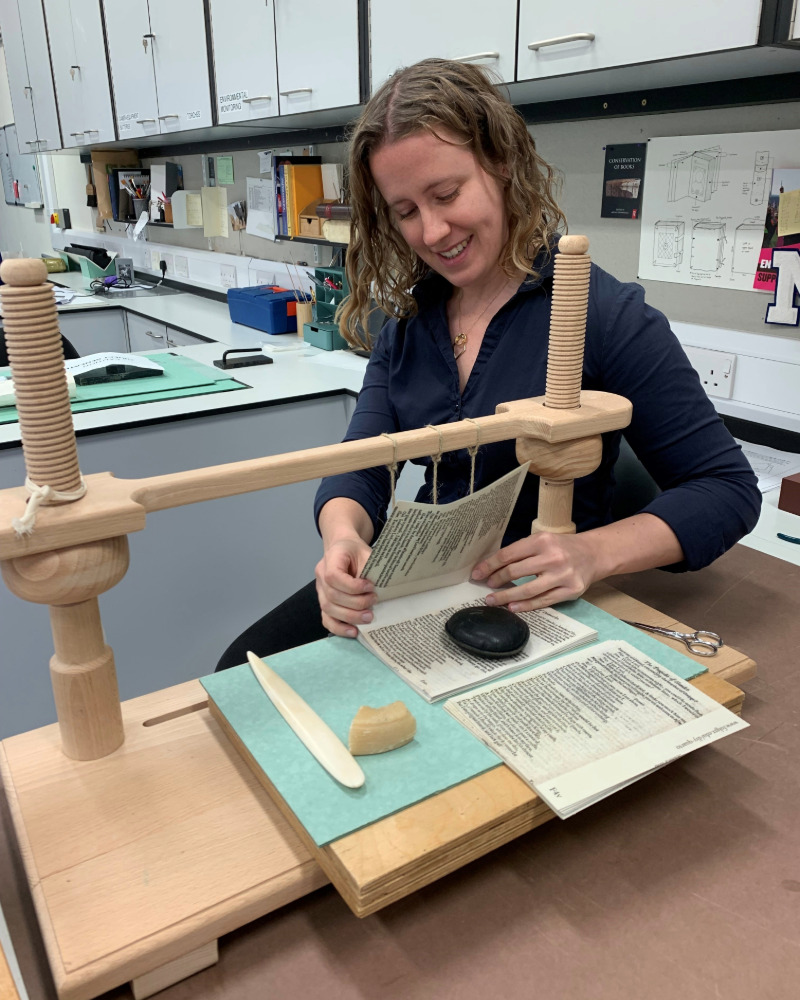
By Lauren Moon-Schott, Rare Book Conservator at Durham University
Shakespeare Recovered, explores the work of our conservation team to make the First Folio accessible again. Durham University has recently completed the conservation of their Shakespeare First Folio, which had been stolen in 1998 and was recovered a decade later in a heavily vandalised state. In large part thanks to the Tru Vue Conservation & Exhibition Grant Scheme, the book has now been relaunched into its rightful place in its community as an object of fascination, admiration, enjoyment and research.
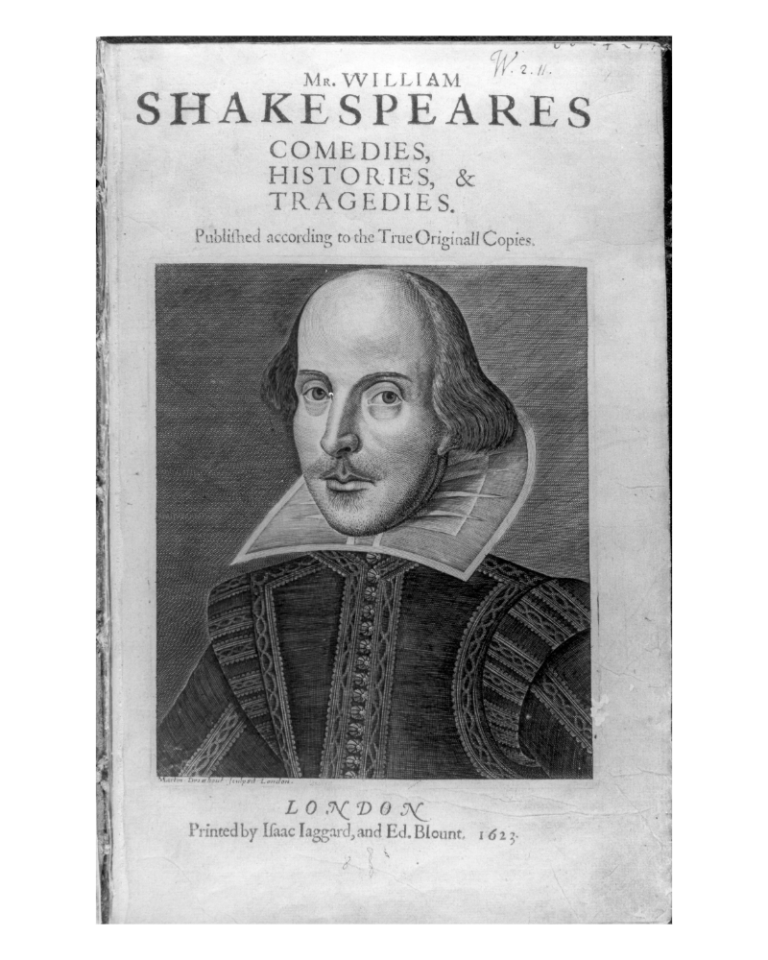
Image 1: The Droeshout portrait of Shakespeare from Durham’s First Folio, imaged before the time of its theft in 1998. The portrait page, which featured handwritten information unique to the Durham copy, is considered permanently lost after the book’s vandalization. Image reproduced by permission of Durham University.
Vandalism and the Extent of the Damage
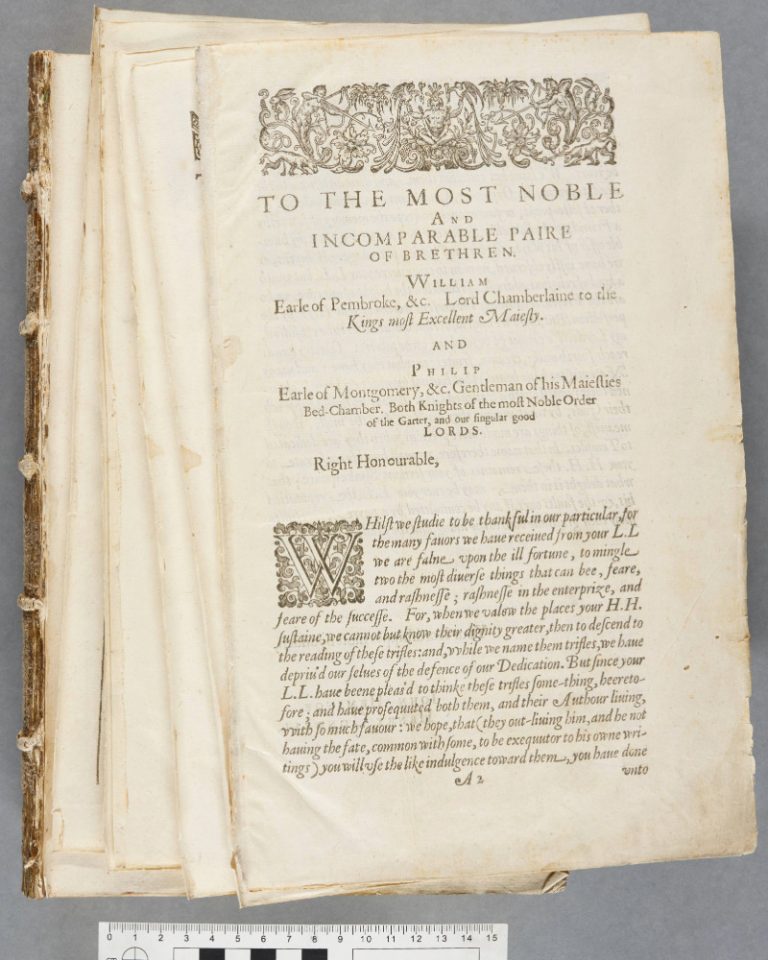
The vandalism suffered sometime before 2008 permanently and greatly altered the book from its once near-pristine condition, removing its boards, leather covering, and several iconic leaves including the famous Droeshout portrait page and Ben Jonson poem. These elements have been lost and are not expected to be recovered. Several additional pages at the front and back of the text had also been detached completely from the textblock at the spine-fold, believed by conservators to be an incidental side effect of the primary disbinding vandalism. These pages had been retained and stacked in their rightful locations at the front and back of the book before recovery.
Conservation Philosophy and Consultation
Image 2: Pre-treatment condition photograph of the vandalised textblock with its remaining detached leaves stacked on top of the rest of the text. Image reproduced by permission of Durham University.
After extensive stakeholder consultation, conservators realised that intensive intervention in the structure of the book to rebind it risked diminishing the book’s appeal to the public and potential interest to researchers. The damage from the vandalism had given the book an emotional draw beyond its inherent connection to Shakespeare, inviting members of the public into diverse conversations about Shakespeare, rare books, object-specific cataloguing, and conservation ethics through its compelling narrative and appearance. Despite the discomfort of seeing its book disbound, Durham, an institution actively pursuing excellence in heritage science, also recognised the opportunity for investigative research offered by the object in its disassembled state.
Light‑Handed Conservation Approach
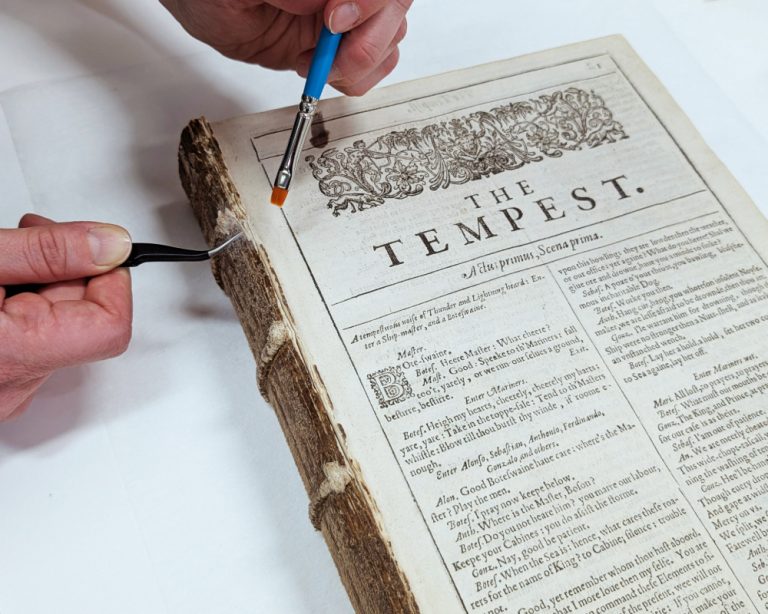
Image 3: Tissue stabilisation work being carried out on the textblock shoulder. Image reproduced by permission of Durham University.
Conservation therefore took a light-handed approach, stabilising the textblock where it risked further damage in even the most careful handling. The shoulders of the first and final several sections were given tissue reinforcements to retain the textblock in a single cohesive piece, whilst retaining the obvious signs of its vandalism. The detached leaves were stabilised individually, with repairs taking place along all edges where they had suffered numerous small fractures and folds. Extensive investigative analysis was undertaken of the textblock, identifying original seventeenth century sewing holes that had been obscured during a nineteenth century rebinding, and performing spectroscopy and elemental analysis of various material components made accessible through the damage.
Exhibition Layout and Modular Plinth System
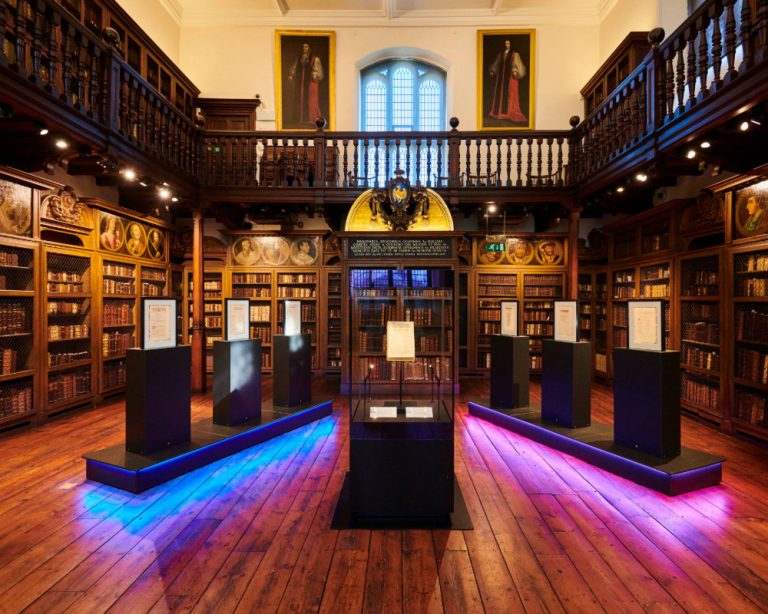
Image 4: The Shakespeare Recovered Exhibition. Images reproduced by permission of Durham University.
To communicate the complex and admittedly surprising outcome of the conservation project, conservators worked closely with curatorial and library staff to organise the Shakespeare Recovered Exhibition, bringing the book back into the public eye. Tru Vue Optium Museum Acrylic® plays a central role in the exhibition, forming nine double-sided window mounted plinths displaying each of the detached leaves for visitors to view from either side, allowing more of the Durham Folio to be seen in a single exhibition than any other First Folio exhibition in the world. The incredible clarity of the acrylic gives visitors the unparallelled feeling of seeing the paper’s texture, damage, and repairs; and its type, layout, and text, without interference, giving a personal and intimate experience with this vandalised icon.
The nine plinths are arranged in modular units of three “catwalk” sections, positioned as satellites surrounding the conserved textblock. Each satellite is themed with interpretation contributing to the exhibition’s key messaging, allowing visitors to dip in and out of appreciating the book as a readable object, and as a conserved vandalised artefact. The modular units featuring Tru Vue Acrylic will be retained by the library to facilitate many future exhibitions of the Durham Folio and other similar double-sided leaves.
Impact and Significance of the Project
The Shakespeare Recovered Conservation and Exhibition Project is an exciting landmark as Durham’s first conservation-led major library exhibition. It pushes conservation to the forefront of the minds of the visiting public, and has received an overwhelmingly positive response, proving that the public are interested in and compelled by the stories generated by the conservation field, and paving the way for future exhibitions reflecting on other conservation outcomes. Without the Tru Vue Conservation and Exhibition Grant Scheme, and without the compelling design facilitated by the use of Tru Vue Optium Museum Acrylic, the Shakespeare Recovered Conservation and Exhibition Project could not have gone forward to become the great success it has been.
About The Author(s)
Lauren Moon‑Schott
Rare Book Conservator, Durham University
Lauren Moon-Schott is a rare book conservator with a certificate in bookbinding from North Bennet Street School and an MA in conservation of books and library materials from West Dean College. She works as a book conservator at Durham University, UK, in the Bishop Cosin’s Collection, and was previously employed in the Boston Public Library’s special collections department. She uses her experience in conserving publicly available rare materials as the foundation for her work in people-centric conservation decision-making, which was the central focus of three chapters she authored and co-authored in Routledge’s Conservation of Books.