Protecting Pastel Paintings: The Role of Advanced Glazing in Preserving Artistic Integrity
By Fabio Cuffari Dialley, Professional Pastel Artist
Pastel painting is widely recognized for its unique luminosity, depth of color, and immediacy of expression. At the same time, it remains one of the most fragile fine art techniques. Unlike oil or acrylic, pastel relies on pure pigment applied directly to the surface without a binding medium, making it highly sensitive to environmental conditions and physical disturbances. For professional artists, collectors, and conservators, ensuring the long-term preservation of pastel works is both a challenge and a responsibility.
Within this context, glazing plays a critical role, not only as a protective barrier, but also as an essential component in maintaining the visual integrity of the artwork. The choice of glazing directly influences how a pastel painting is perceived, preserved, and experienced over time.
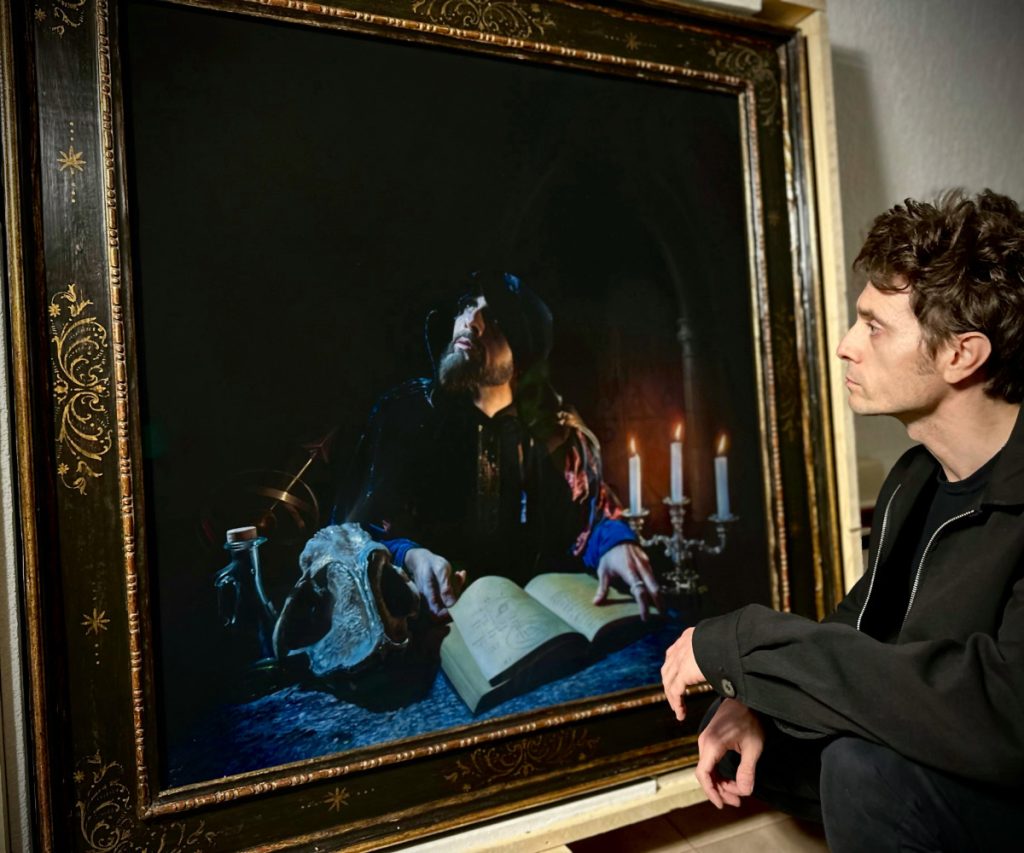
St Michael the Archangel – Detail Detail of a pastel painting showing the delicate layering of pure pigment. The surface reveals the fragility and richness of pastel as a medium.
St Michael the Archangel - Full View Pastel painting by Fabio Cuffari Dialley. The work demonstrates the complexity and sensitivity of pastel technique, requiring careful conservation to preserve its visual depth and luminosity.
The inherent fragility of pastel requires constant attention. Pigment particles rest loosely on the surface and can be easily disturbed by vibration, handling, or electrostatic forces. Even when fixatives are used, they cannot fully stabilize the medium without altering its visual characteristics. For this reason, the protective system surrounding the artwork becomes an integral part of its conservation.
The Limitations of Traditional Glazing
Traditional glazing materials, while offering basic protection, often introduce limitations. Reflections can interfere with the viewing experience, reducing clarity and obscuring subtle transitions. Static charge may attract loose pigment particles, potentially affecting the surface over time. In addition, insufficient ultraviolet (UV) protection can contribute to gradual degradation.
Pastel Painting with Optium Museum Acrylic Pastel artwork protected with Tru Vue Optium Museum Acrylic. The anti-reflective and anti-static properties enhance visual clarity while ensuring long-term preservation.
How Advanced Museum Glazing Supports Pastel Painting Preservation
In response to these challenges, advanced glazing solutions have become increasingly important in contemporary fine art practice. Museum-grade acrylic glazing, such as Tru Vue® Optium Museum Acrylic®, offers a combination of anti-reflective properties, anti-static performance, and high UV protection. These features ensure both optimal preservation and an enhanced viewing experience.
In my work, the use of such materials is not merely a technical choice, but an extension of my artistic philosophy. My paintings – often created for international collectors and exhibited in prestigious contexts require a level of presentation that preserves their visual clarity and emotional impact. The ability to eliminate reflections and maintain color fidelity is essential in ensuring that the viewer can fully engage with the image.
This approach has also been explored in a recent video production documenting the role of advanced glazing in the presentation and conservation of pastel works, further emphasizing the importance of integrating technical solutions within contemporary artistic practice.
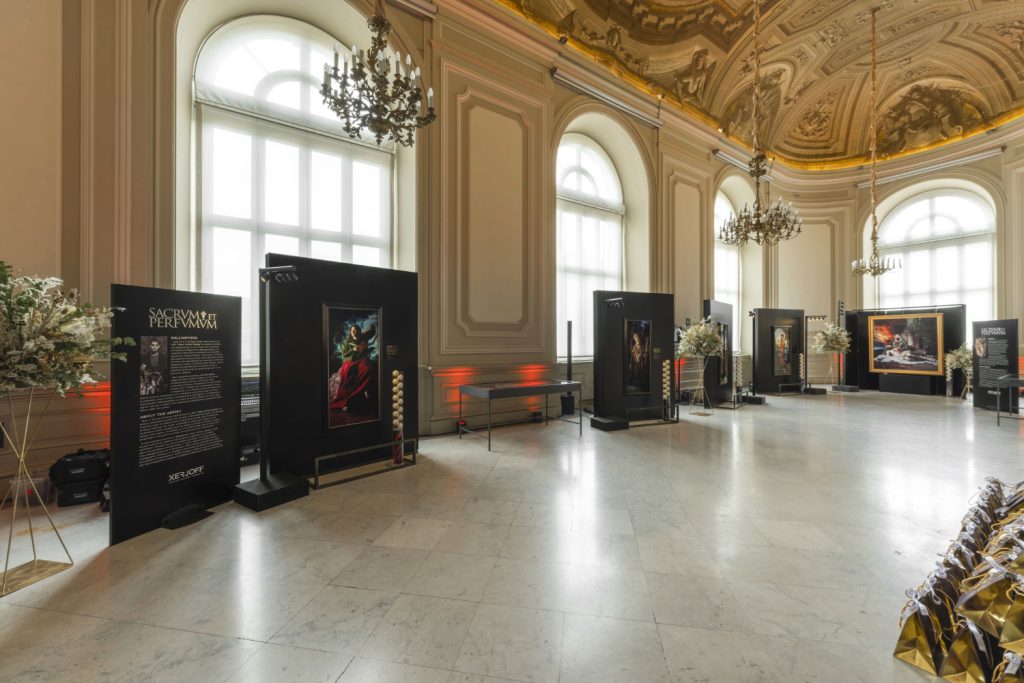
Exhibition View - Museo del Risorgimento, Turin Installation view of a solo exhibition at the Museo del Risorgimento, Turin. The presentation highlights the importance of professional framing and conservation standards in fine art display.
Enhancing Artistic Integrity Through Better Presentation
This perspective is also reflected in commissioned works, where collectors increasingly seek not only the artwork itself, but a complete solution that ensures long-term preservation and presentation quality. The integration of advanced glazing into the framing process supports higher conservation standards, aligning the expectations of artists, collectors, and framing professionals.
Beyond protection, glazing plays a fundamental role in shaping the viewer’s experience. In pastel painting, where delicate transitions and subtle textures are essential, even minimal visual interference can significantly alter perception. High-performance glazing enhances clarity, allowing the artwork to be seen as intended, without distortion or distraction.
Balancing Conservation and Long-Term Display
Ultimately, the preservation of pastel artworks requires a holistic approach that considers both material vulnerability and visual integrity. By combining artistic sensitivity with technical awareness, it is possible to ensure that these works remain stable, legible, and impactful over time.
As contemporary artists continue to explore the expressive potential of pastel, the role of advanced glazing will remain essential. It represents not only a protective solution, but a bridge between creation and conservation, supporting the longevity of artworks designed to endure and inspire.
About The Author(s)
Fabio Cuffari Dialley
Professional Pastel Artist
Fabio Cuffari Dialley is a professional Italian pastel artist known for highly detailed and symbolically rich works. His artistic practice combines technical mastery with a strong spiritual and conceptual dimension, driven by a mission to create works that endure and inspire over time. His works have been exhibited internationally, including the London Art Biennale, a solo exhibition at Palácio Biester in Portugal, the Museo del Risorgimento in Turin in collaboration with Xerjoff, and the Premio Reina Sofía exhibition in Madrid. His works are held in private collections worldwide.
He is committed to excellence in both artistic creation and conservation standards, collaborating with professionals to ensure the highest level of presentation. His paintings are conceived not only as visual compositions, but as expressions of reflection, spirituality, and emotional intensity, aiming to elevate the viewer’s experience beyond the purely visual.