

Optium Acrylic®
- Abrasion Resistant, Anti-reflective, Anti-static, Chemical Resistant, Safety & Shatter Resistant
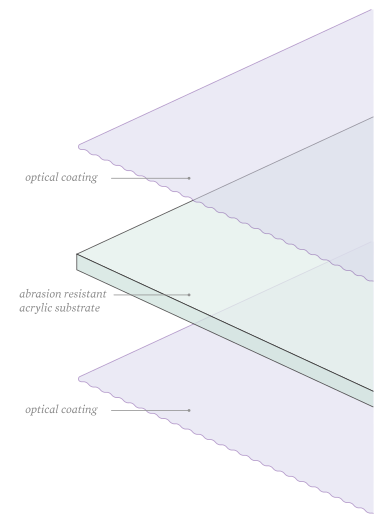
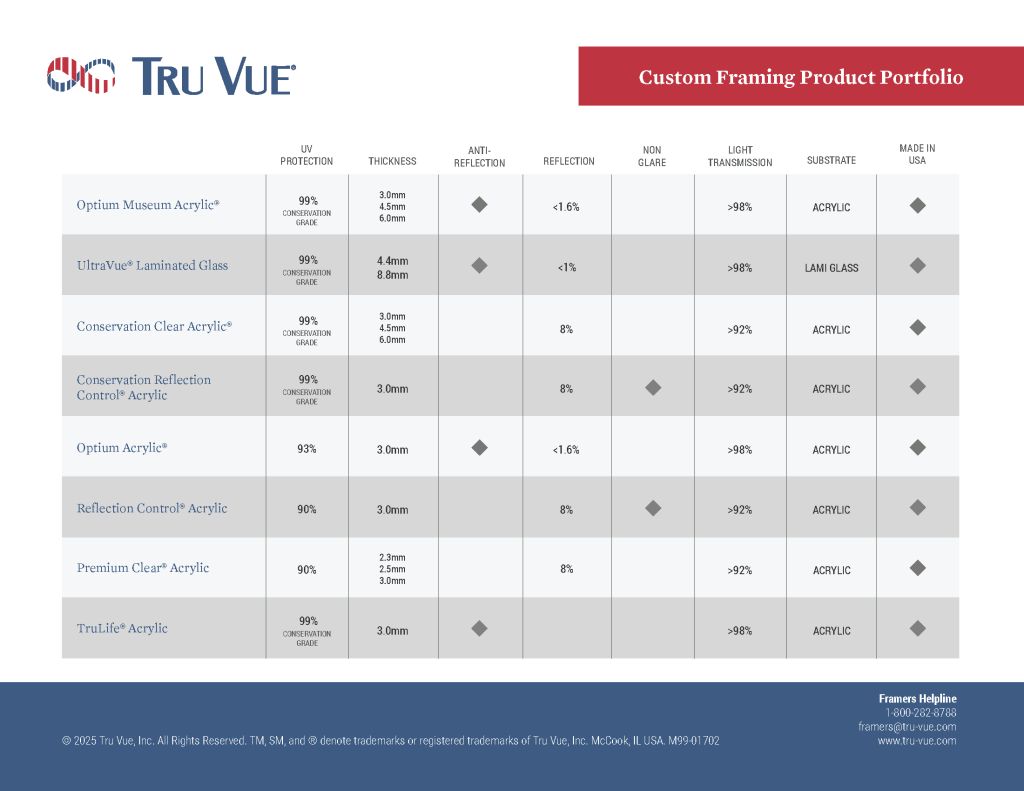
This virtually invisible anti-reflective, abrasion resistant acrylic delivers the most stunning viewing experience with anti-static protection that is engineered to immediately dissipate static.
Product Details
Features
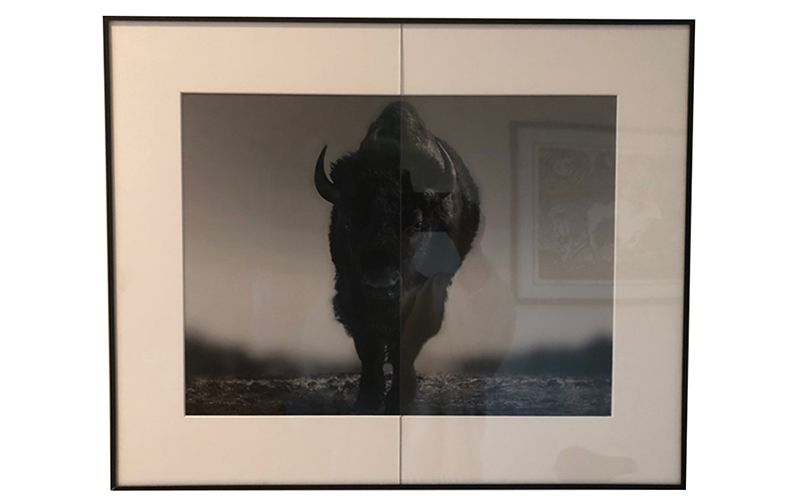
- Virtually eliminates reflections
- Filters up to 93% of UV rays
- Light transmission brightens colors and contrast levels
- Anti-static protection that immediately dissipates static
- Durable hard coat protects against scratches
- Shatter resistance safeguards against injury and damage to artwork
- Cleans like glass – no special acrylic cleaners needed
- Proprietary coating is engineered for permanence
Applications
- Framing or displaying cultural heritage and fine art collections
- Static sensitive materials including textiles, charcoals, pastels and oversized works
- When the lighting environment is controlled to limit UV exposure
- Framing for earthquake prone or high traffic areas where safety is a concern
Testing & Certifications
- Passes Photographic Activity Test (PAT) ISO 18916
- <1.0E+12 Surface Resistivity (Ohms/square)
- Passes Outgassing Oddy Test
- Passes Humidity Resistance MIL-C-48497A para 4.5.3.2
- Passes RoHS Compliance ASTM B117-03
- Passes Corrosion Resistance (Salt Fog) ASTM B117-03 & B368-03 & B368-97
- Passes Coating Adhesion (Snap Tape) MIL-C-48497A para 4.5.3.1
- Passes Solubility MIL-C-48497A
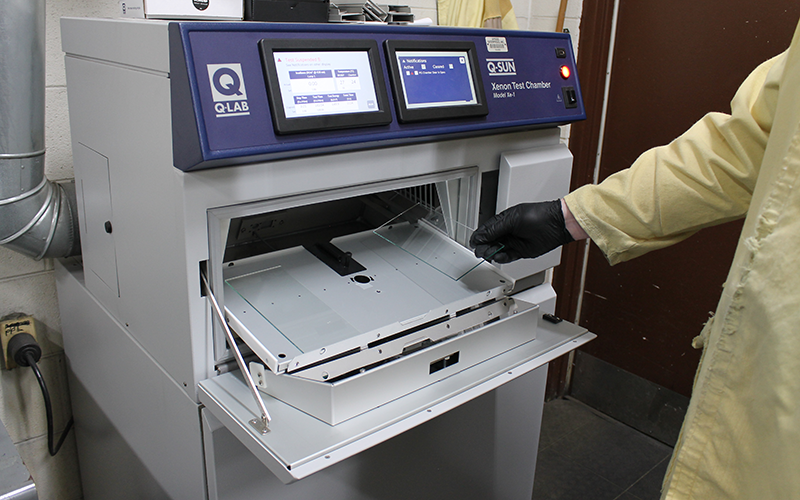
- Accelerated Aging 2000 hours (~100 years) of Q-sun Xenon Arc Testing at exposure intensity of 100,000 lux properties remain unchanged
Technical Info
- Substrate: Abrasion Resistant Acrylic
- Coating: Anti-Reflective
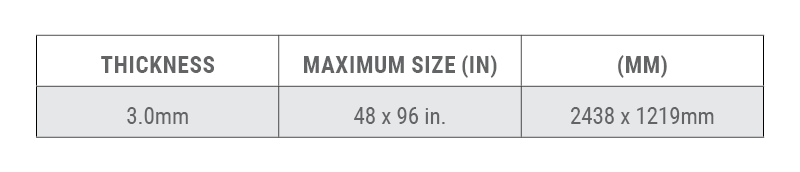
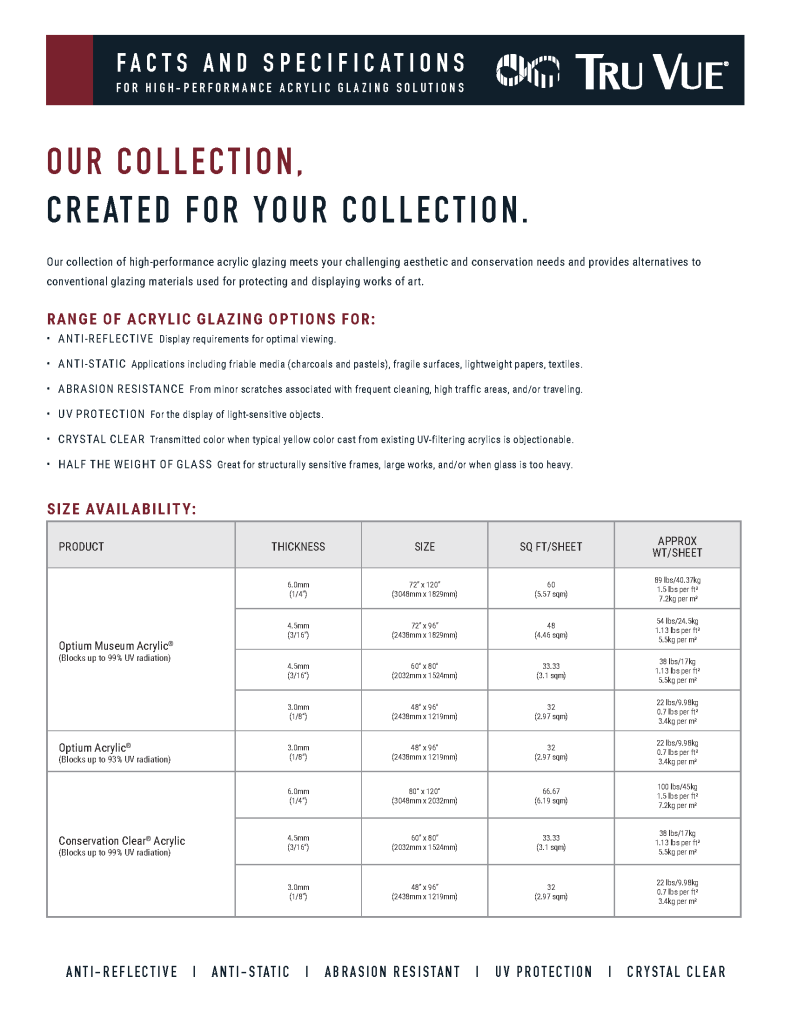
- Thickness: 3.0mm, /.118″, Maximum Size: 48″ x 96″ / 1220mm x 2440mm\
- Reflection: <1.6% (double-sided)
- Transmission: >98% (total)
- UV Block: up to 93% of 300nm to 380nm UV rays
Resources
Facts Specifications Sheets
Our collection of high-performance acrylic glazing meets your challenging aesthetic and conservation needs and provides alternatives to conventional glazing materials used for protecting and displaying works of art.
If you’re looking for this document in different languages, you can download them below.
Trusted Fine Art Acrylic Glass Solutions
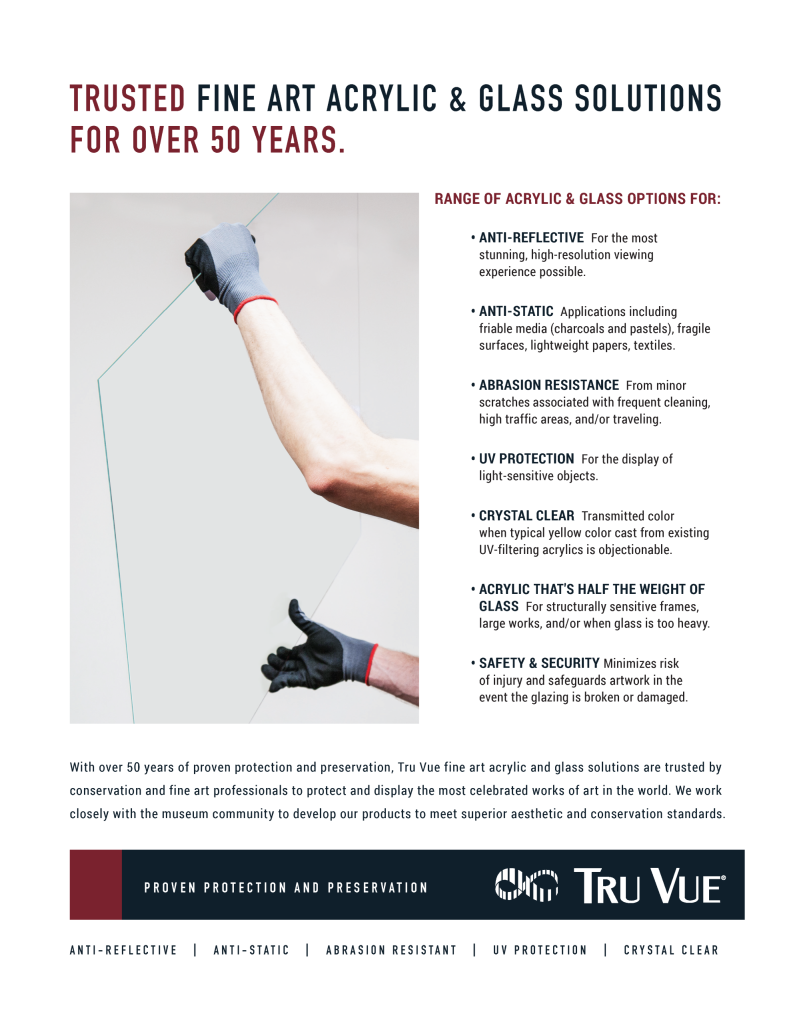
With over 50 years of proven protection and preservation, Tru Vue fine art acrylic and glass solutions are trusted by conservation and fine art professionals to protect and display the most celebrated works of art in the world.
If you’re looking for this document in different languages, you can download them below.
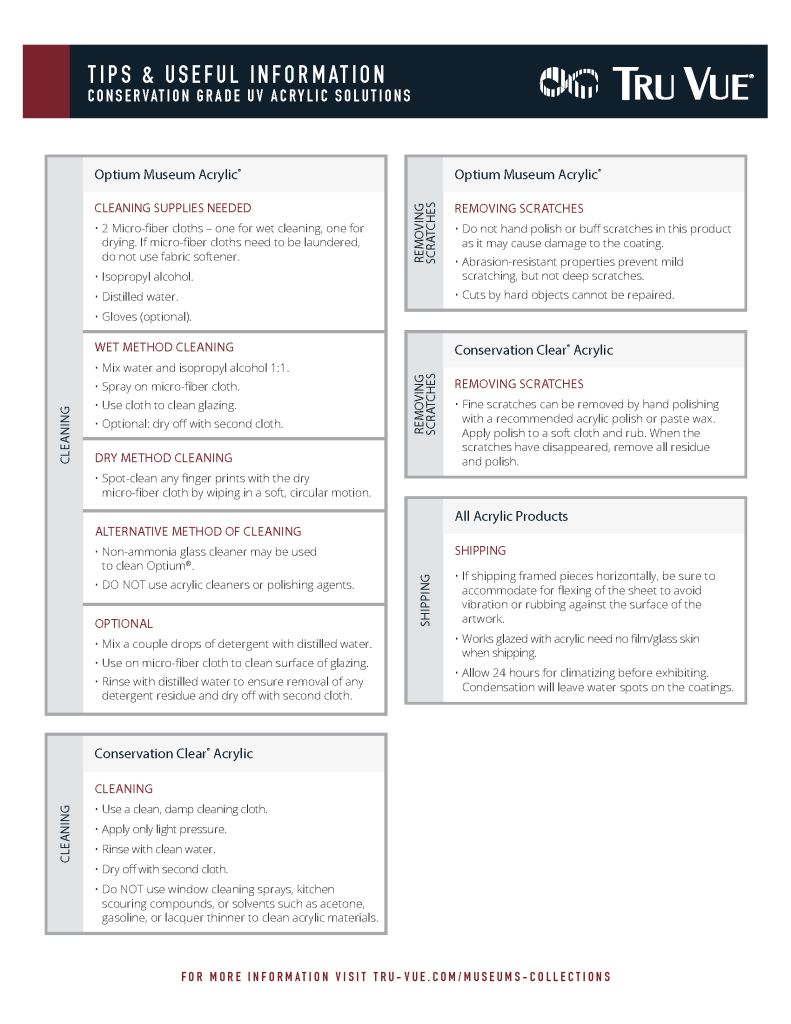
Tips & Useful Information
Exhibition & Collections Brand Brochure
Since 1970, the framing, museum, and design communities have trusted Tru Vue® glass and acrylic solutions to protect and display cultural heritage objects and fine works of art. Our exceptional glazing combines unrivaled aesthetics with unmatched performance to meet the most stringent conservation standards and exceed the highest expectations.
If you’re looking for this document in different languages, you can download them below.
Optium Acrylic® FAQs
Is all UV filtering glazing the same?
No. There is a distinct difference between UV filtering glazing and glazing that provides UV protection. According to PPFA Guidelines for Framing Works of Art on Paper, for glazing to be labeled as providing UV protection, it must block at least 97% of the UV rays in the 300 to 380 nanometer range.
Tru Vue Conservation Grade glass and acrylic products offer this level of protection. In providing at least 97% UV protection, Tru Vue Conservation Grade products are considered “photo-safe” by meeting ISO 18902 and passing ISO 18916.
What is non-glare glass and non-glare acrylic?
Non-glare picture framing glass is finished to diffuse reflected light. Non-glare acrylic is embossed to diffuse reflected light. Both processes also give the glass and acrylic surfaces a matte finish.
How can I control static on acrylic products?
Tru Vue Optium Museum Acrylic and Optium Acrylic are anti-static. For all other acrylic products, spray with a de-ionizing air gun, then wipe with a clean, damp, high performance cleaning cloth. This will reduce static temporarily
When should I use acrylic?
Tru Vue recommends using acrylic for hanging and shipping heavy oversized artwork, in children’s rooms, in earthquake zones, in high traffic areas or anywhere where safety is a concern.
Care & Handling
Find out everything you need to know about Care & Handling for this product here.
Get Inspired
Discover how our advanced glazing technology protects and enhances artwork. Explore real-world case studies from around the world showcasing clarity, durability, and UV protection.
Related Blogs

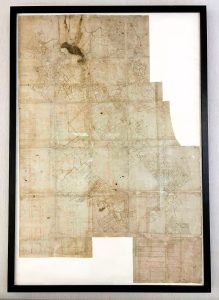
Framing the Federalist Era: Preserving an 18th Century Map
By Faith Walker, Director, The Great Bend Museum The Great Bend Museum recently completed the conservation and exhibition of its 1796 North American Land Company map, the

Restoring Mid-Century Chicago Nightlife: 1967 Ellen Lanyon Painting Conserved and Exhibited for First Time in 50 Years
By Kimberly Nichols, Director of Conservation Services, the Newberry Library The Newberry Library is an independent humanities research library in Chicago, IL, that cares for and makes
