
Optium Museum Acrylic®
- 99% UV Protection, Abrasion Resistant, Anti-reflective, Anti-static, Chemical Resistant, Safety & Shatter Resistant, Security
Optium Museum Acrylic® is a virtually invisible acrylic that performs like glass and is trusted by the world’s most renowned museums to deliver a stunning, crystal-clear, high-definition viewing experience. Designed to meet the most uncompromising aesthetic and preservation standards, this museum acrylic offers state-of-the-art peace of mind, making it ideal for high-value artwork, photography, and sensitive materials.
Optium Museum Acrylic sheets, Optium Museum Acrylic Cases, and Seamed Optium Museum Acrylic deliver:
- 99% UV blocking to help protect against damage and fading caused by UV rays
- Anti-reflective coating for optimal light transmission and nearly invisible viewing
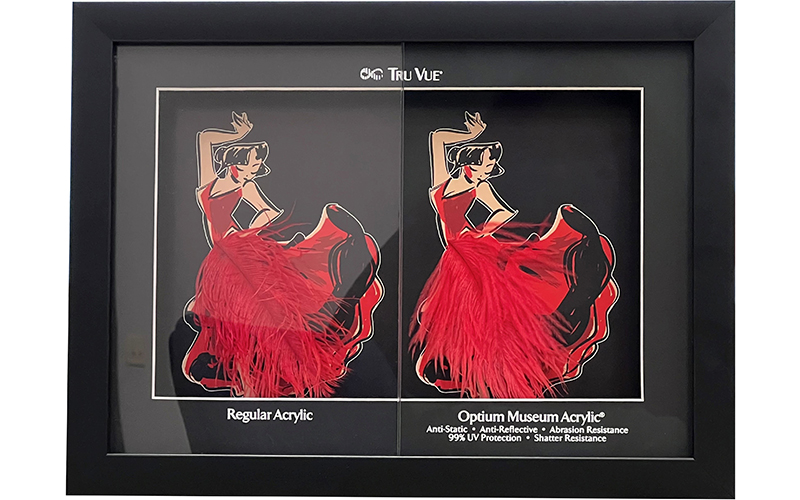
- Anti-static protection for use with static-sensitive materials. Reduces cleaning and fabrication time
- Abrasion resistant acrylic for long-lasting durability, sustainability, and performance
- Shatter resistance for enhanced safety against injury and damage to artwork
Product Details
Features
- Virtually eliminates distracting reflections, for a close, intimate experience
- Blocks up to 99% of UV rays (300-380nm)
- Optimal light transmission protects and brightens colors
- Anti-static protection exceeds glass and immediately dissipates static
- Durable hard coat protects against scratches
- Shatter resistance safeguards against injury and damage to artwork
- Easy to clean with common household glass cleaners. Do Not use acrylic cleaners or polishing agents.
- Proprietary coating significantly cuts down on cleaning and fabrication time
Applications
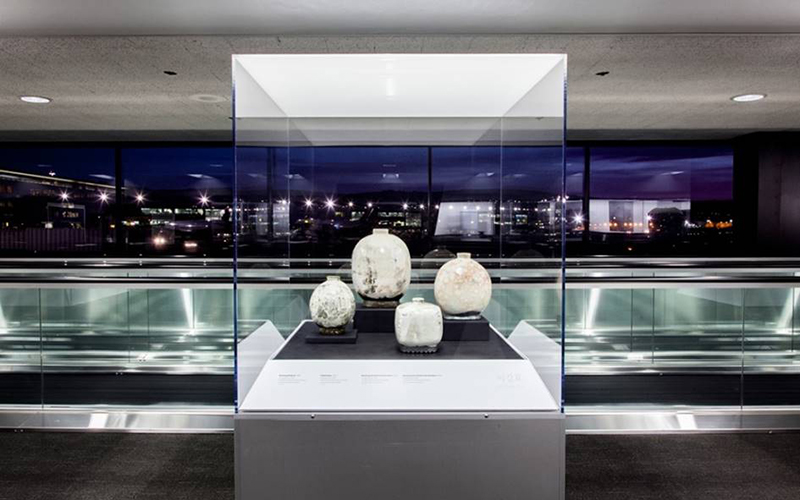
- Framing or display cases for cultural heritage and fine art collections
- High volume work – anti-static properties cut down on cleaning and fabrication time
- Static sensitive materials including textiles, charcoals, pastels, fragile surfaces, featherwork and lightweight papers
- Oversized works, structurally sensitive frames, and / or when glass is too heavy
- Irreplaceable works of art
- Shadowboxes for displaying objects, including family heirlooms or personal mementos
- Works that travel, high traffic areas, and public event spaces where safety is a concern
- Oversized works up to 10ft x 23 ft / 3m x 7m (two or more sheets of Optium Museum Acrylic are seamed together)
Testing & Certifications
- Passes Photographic Activity Test (PAT) ISO 18916
- Meets ISO 18902 section 3.9
- Surface Resistivity < 1.0E+12 Ohms/square tested by Fowler Associates at 73ºF/23ºC for 48 hours at 100 volts
- Static Decay = 0.01 seconds per Federal Test Method Standard No. 101C, Test Method Number 4046
- Passes Oddy Test
- Passes Humidity Resistance MIL-C-48497A para 4.5.3.2
- Passes RoHS Compliance ASTM B117-03
- Passes Corrosion Resistance (Salt Fog) ASTM B117-03 & B368-03 & B368-97
- Passes Coating Adhesion (Snap Tape) MIL-C-48497A para 4.5.3.1
- Passes Solubility MIL-C-48497A
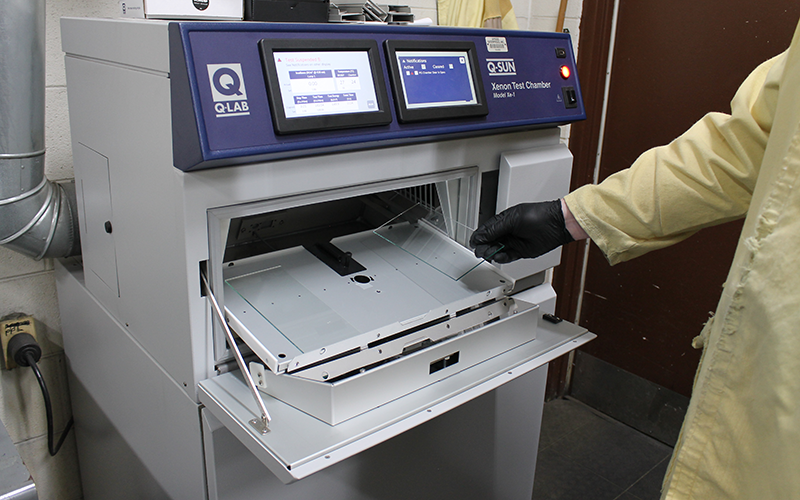
- Accelerated Aging 2000 hours (~100 years) of Q-sun Xenon Arc Testing at exposure intensity of 100,000 lux properties remain unchanged
- Conservation Grade Protection
- ISO 18902 Photo Safe
- Safe for Friable Materials
- Available in smaller, single-sheet sizes starting at 16 in x 20 in (405mm x 510mm)
- Can be cut-to-size
Technical Info
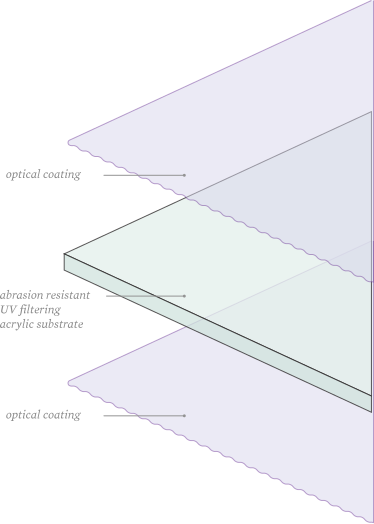
- Substrate: Abrasion Resistant UV Filter Acrylic
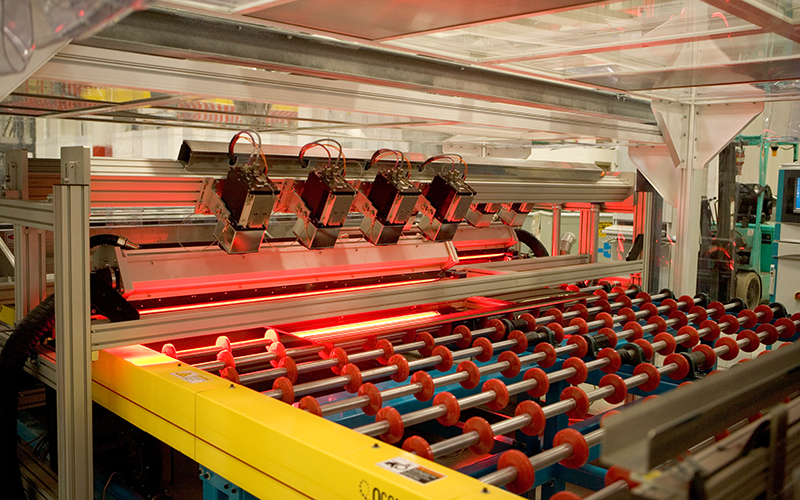
- Coating: Double-Sided Anti-Reflective
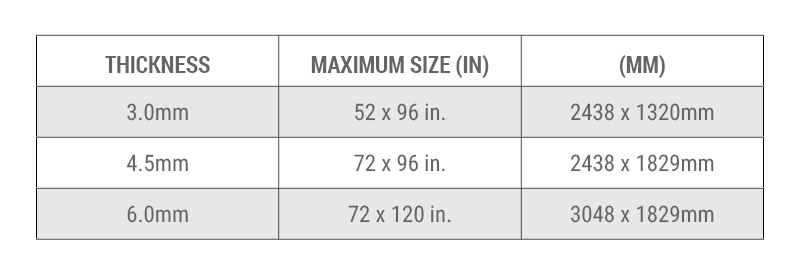
- Thickness: 3.0mm, 4.5mm and 6.0mm /.118″, .177″ and .237″
- Maximum Size: 72″ x 120″ / 1830mm x 3050mm
- Reflection: <1.6% (double sided)
- Transmission: >98% (total)
- UV Block: up to 99% of 300nm to 380nm UV rays
Resources
Exhibition & Collections Brand Brochure
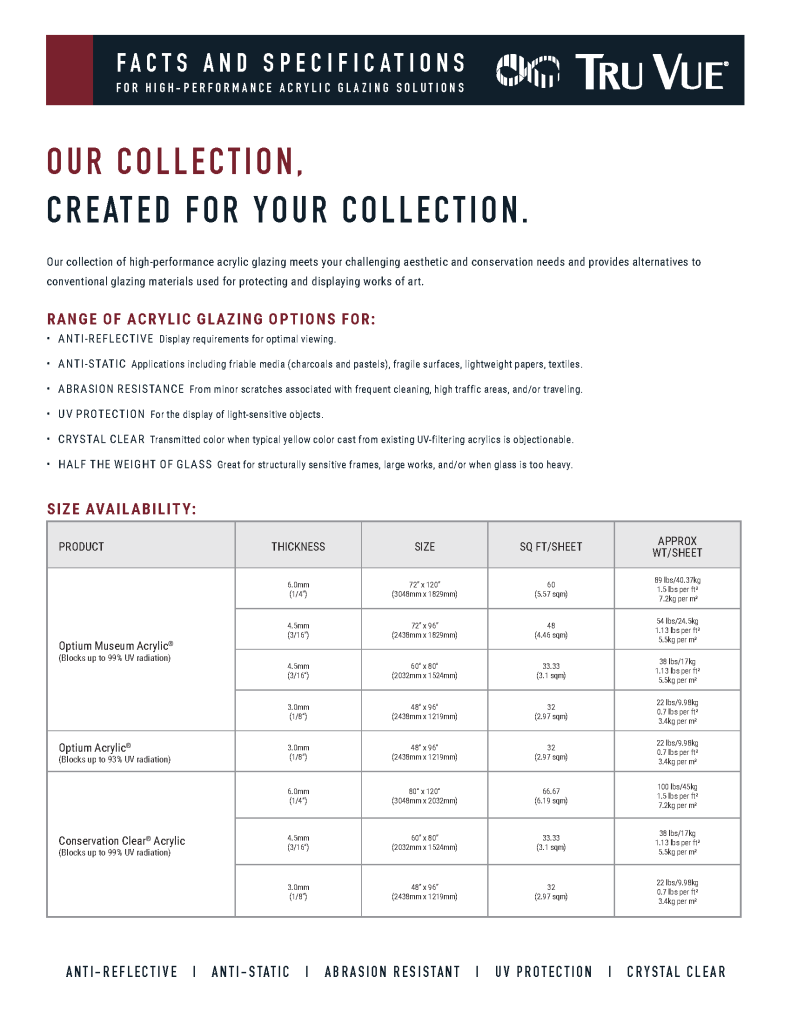
Facts and Specifications Sheet
Our collection of high-performance acrylic glazing meets your challenging aesthetic and conservation needs and provides alternatives to conventional glazing materials used for protecting and displaying works of art.
If you’re looking for this document in different languages, you can download them below.
Trusted Fine Art Acrylic Glass Solutions
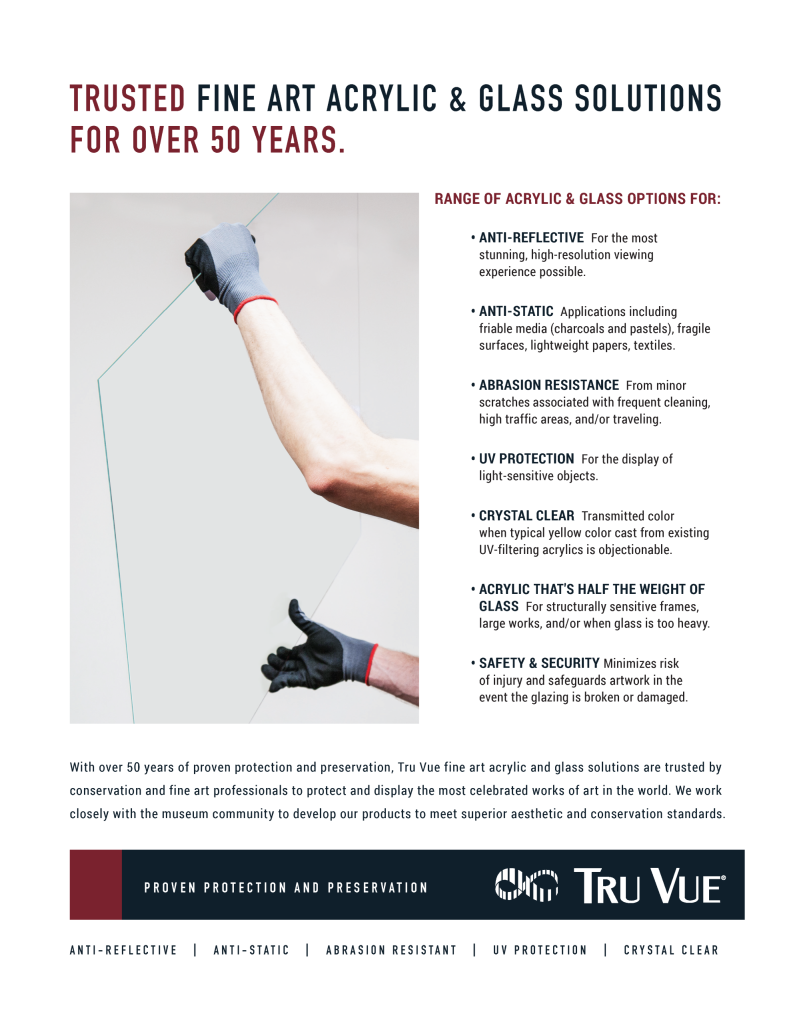
With over 50 years of proven protection and preservation, Tru Vue fine art acrylic and glass solutions are trusted by conservation and fine art professionals to protect and display the most celebrated works of art in the world.
If you’re looking for this document in different languages, you can download them below.
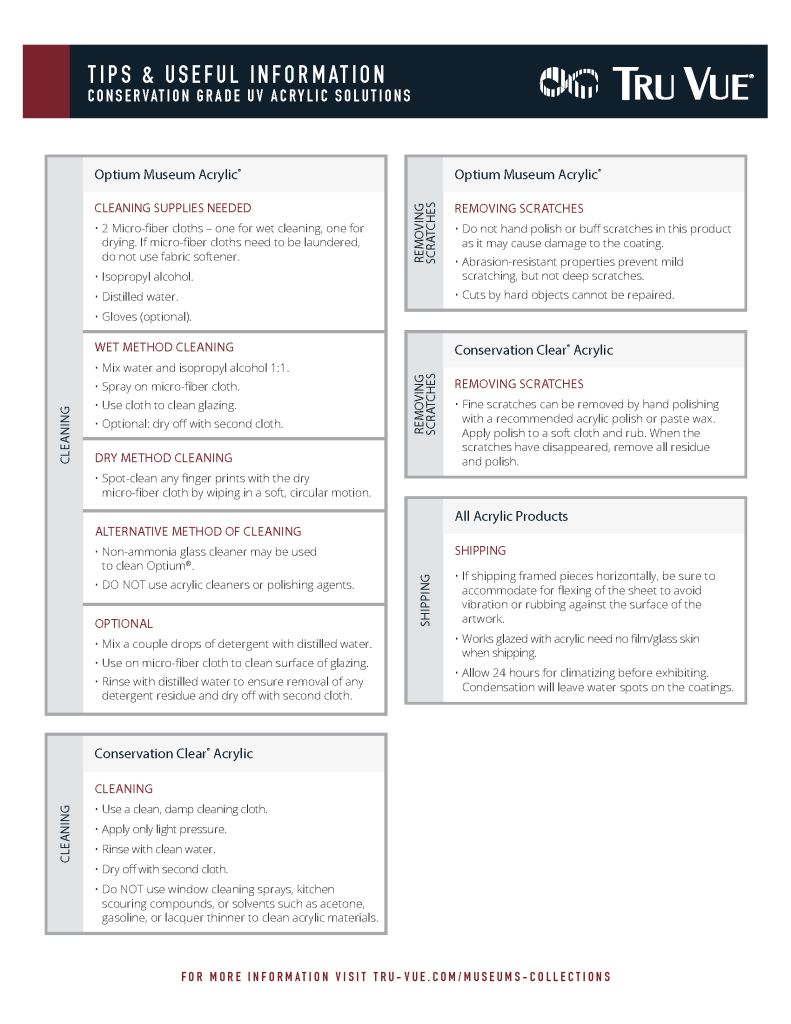
Tips & Useful Information
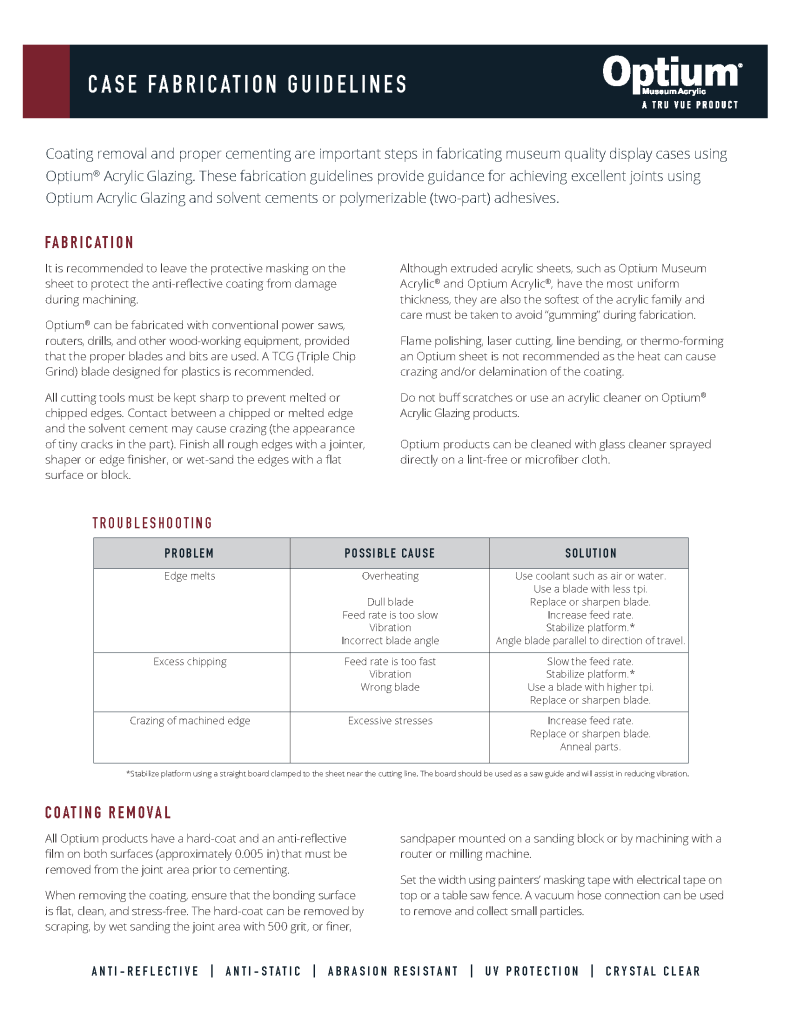
Case Fabrication Guidelines
Coating removal and proper cementing are important steps in fabricating museum quality display cases using Optium® Acrylic Glazing. These fabrication guidelines provide guidance for achieving excellent joints using Optium Acrylic Glazing and solvent cements or polymerizable (two-part) adhesives.
If you’re looking for this document in different languages, you can download them below.
Resources
Facts Specifications Sheets
Trusted Fine Art Acrylic Glass Solutions
Optium Museum Acrylic FAQs
Is all UV filtering glazing the same?
No. There is a distinct difference between UV filtering glazing and glazing that provides UV protection. According to PPFA Guidelines for Framing Works of Art on Paper, for glazing to be labeled as providing UV protection, it must block at least 97% of the UV rays in the 300 to 380 nanometer range.
Tru Vue Conservation Grade glass and acrylic products offer this level of protection. In providing at least 97% UV protection, Tru Vue Conservation Grade products are considered “photo-safe” by meeting ISO 18902 and passing ISO 18916.
Is the UV coating permanent?
Yes. Tru Vue manufactures its Conservation Grade glass products by applying an inorganic silica-based UV inhibiting coating to the glass surface. The UV coating is “baked” into the glass, producing a permanently bonded coating. Tru Vue Conservation Grade glass products have been field tested for over 20 years and do not delaminate or degrade over time.
Specific to acrylic products, Tru Vue does not apply a UV coating to its Conservation Grade acrylic products. The UV protection is provided within the acrylic substrate and is permanent.
What is non-glare glass and non-glare acrylic?
Non-glare picture framing glass is finished to diffuse reflected light. Non-glare acrylic is embossed to diffuse reflected light. Both processes also give the glass and acrylic surfaces a matte finish.
How can I control static on acrylic products?
Tru Vue Optium Museum Acrylic and Optium Acrylic are anti-static. For all other acrylic products, spray with a de-ionizing air gun, then wipe with a clean, damp, high performance cleaning cloth. This will reduce static temporarily
When should I use acrylic?
Tru Vue recommends using acrylic for hanging and shipping heavy oversized artwork, in children’s rooms, in earthquake zones, in high traffic areas or anywhere where safety is a concern.
Care & Handling
Find out everything you need to know about Care & Handling for this product here.
Get Inspired
Discover how our advanced glazing technology protects and enhances artwork. Explore real-world case studies from around the world showcasing clarity, durability, and UV protection.
Get Inspired
Discover how our advanced glazing technology protects and enhances artwork. Explore real-world case studies from around the world showcasing clarity, durability, and UV protection.
Related Blogs

The Display of Parmigianino’s Double-Sided Drawings: Two New Plinths Designed for the Reopening of The Courtauld Gallery
By Ketty Gottardo, Martin Halusa Curator of Drawings, and Kate Edmondson, Paper Conservator, The Courtauld After 3 years, The Courtauld reopened to the public in
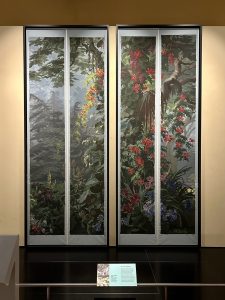
Paradise on view – A framing solution for L’Eden a panoramic wallpaper
By Lisa Cumming, Paper Conservator, National Museums Scotland L’Eden is a magnificent panoramic wallpaper series manufactured in France in 1861 (first edition) by Jules Desfossé from

Conservation and Display of a Rare Silk Doublet at Grimsthorpe Castle, Lincolnshire
By Emma Miller, Curator of Collections at Grimsthorpe and Drummond Castle Trust Ltd. Background For the team at Grimsthorpe Castle, Lincolnshire, the conservation of a rare
In(FINI) Possibilities: Sustainable Approaches to Custom Framing
By Zulfadhli Hilmi, Tru Vue International Museum & Conservation Liaison for Southeast Asia & Oceania Exploring the art scene across Australia, I have had the

Casa Mella-Russo: The Value in Conserving Cultural Heritage
By Ruahidy Lombert, executive director of the Institute for Heritage Conservation and Research and president of the Patrimonium Foundation This article is written in both

Crossing Continents: Spanish masterpieces in Bishop Auckland
By Caroline Smith, Preventive Conservator, and Sam Smith, Registrar, The Auckland Project In the English northern market town of Bishop Auckland, positioned high above the